Biomimetic / Organic 2.0
Takes organic design further with growing cells, breathing animations, and bio-inspired patterns.
Live demo
technology
We study nature's 3.8 billion years of R&D to create sustainable solutions for humanity's greatest challenges.
Cellular Computing
Processing inspired by neural networks
Bio-materials
Self-healing sustainable materials
Swarm Intelligence
Collective problem-solving systems
About Biomimetic / Organic 2.0
Takes organic design further with growing cells, breathing animations, and bio-inspired patterns.
Era / origin
2024+ Generative
Key characteristics
- Nature-inspired
- Cellular
- Fluid
- Breathing
- Growing
- Life-like
When to use Biomimetic / Organic 2.0
- Sustainability tech
- Biotech
- Advanced health
- Meditation
- Generative art
When to avoid it
- Standard SaaS
- Data grids
- Strict corporate
- Accounting
Common industries
- Healthcare
- Creative & Portfolio
- Fitness & Wellness
- Nonprofit & Government
Biomimetic / Organic 2.0 color palette
- #00FF41
- #00FFFF
- #001E3C
- #0A2540
- #FF9999
How to build Biomimetic / Organic 2.0 in CSS
Effects: Breathing animations on decorative cells, fluid morphing, cells growing in on load, soft bioluminescent glow
:root {
  --chlorophyll: #00FF41;
  --cyan: #00FFFF;
  --deep: #001E3C;
  --deep-2: #0A2540;
  --blush: #FF9999; /* warm accent: icon glows and badges */
  --text-muted: rgb(255 255 255 / 0.7);
}

body {
  background: linear-gradient(180deg, var(--deep) 0%, var(--deep-2) 100%);
  color: #FFFFFF;
  font-weight: 300;
}

.card {
  padding: 1.5rem;
  border: 1px solid rgb(0 255 65 / 0.2);
  border-radius: 1.5rem;
  background: rgb(0 255 65 / 0.05);
}

/* Text stays still; only decorative cells and icons breathe */
.card h3 {
  color: #FFFFFF;
}

.icon {
  width: 3rem;
  aspect-ratio: 1;
  border-radius: 60% 40% 30% 70% / 60% 30% 70% 40%;
  background: radial-gradient(circle at 35% 35%, var(--blush), rgb(255 153 153 / 0.35) 70%);
  box-shadow: 0 0 20px rgb(255 153 153 / 0.45);
  animation: breathe 4s ease-in-out infinite;
}

.badge {
  padding: 0.25rem 0.75rem;
  border-radius: 9999px;
  background: rgb(255 153 153 / 0.15);
  color: var(--blush);
}

.card p {
  color: var(--text-muted);
}

/* Cell-like blob that slowly morphs its outline */
.cell {
  width: 10rem;
  aspect-ratio: 1;
  border: 2px solid rgb(0 255 65 / 0.5);
  background: radial-gradient(circle, rgb(0 255 65 / 0.3) 0%, transparent 70%);
  animation: grow 1.2s ease-out backwards, breathe 4s ease-in-out 1.2s infinite, morph 12s ease-in-out infinite;
}

.button {
  padding: 1rem 2rem;
  border: 1px solid rgb(0 255 65 / 0.5);
  border-radius: 9999px;
  background: linear-gradient(135deg, rgb(0 255 65 / 0.3), rgb(0 255 255 / 0.3));
  color: #FFFFFF;
  font-weight: 500;
}

.button:hover {
  box-shadow: 0 0 24px rgb(0 255 65 / 0.35);
}

.button:focus-visible {
  outline: 2px solid var(--cyan);
  outline-offset: 4px;
}

@keyframes breathe {
  50% {
    transform: scale(1.05);
  }
}

/* Growth: cells bud from small to full size on load */
@keyframes grow {
  from {
    opacity: 0;
    transform: scale(0.3);
  }
}

@keyframes morph {
  0%,
  100% {
    border-radius: 60% 40% 30% 70% / 60% 30% 70% 40%;
  }
  50% {
    border-radius: 30% 60% 70% 40% / 50% 60% 30% 60%;
  }
}

@media (prefers-reduced-motion: reduce) {
  .icon,
  .cell {
    animation: none;
  }
}Use Biomimetic / Organic 2.0 with an AI coding agent
Paste this into Claude Code, Cursor, v0, Lovable or any coding agent to restyle a page in Biomimetic / Organic 2.0.
Apply the Biomimetic / Organic 2.0 style to this interface.

What it is: Takes organic design further with growing cells, breathing animations, and bio-inspired patterns.
Look and feel: Nature-inspired, Cellular, Fluid, Breathing, Growing, Life-like.
Colors: primary #00FF41, #00FFFF, #001E3C; secondary #0A2540, #FF9999.
Effects and motion: Breathing animations on decorative cells, fluid morphing, cells growing in on load, soft bioluminescent glow.

Reference CSS (put these class names on the matching elements, or map them onto existing components and class names; avoid long structural selectors):
```css
:root {
  --chlorophyll: #00FF41;
  --cyan: #00FFFF;
  --deep: #001E3C;
  --deep-2: #0A2540;
  --blush: #FF9999; /* warm accent: icon glows and badges */
  --text-muted: rgb(255 255 255 / 0.7);
}

body {
  background: linear-gradient(180deg, var(--deep) 0%, var(--deep-2) 100%);
  color: #FFFFFF;
  font-weight: 300;
}

.card {
  padding: 1.5rem;
  border: 1px solid rgb(0 255 65 / 0.2);
  border-radius: 1.5rem;
  background: rgb(0 255 65 / 0.05);
}

/* Text stays still; only decorative cells and icons breathe */
.card h3 {
  color: #FFFFFF;
}

.icon {
  width: 3rem;
  aspect-ratio: 1;
  border-radius: 60% 40% 30% 70% / 60% 30% 70% 40%;
  background: radial-gradient(circle at 35% 35%, var(--blush), rgb(255 153 153 / 0.35) 70%);
  box-shadow: 0 0 20px rgb(255 153 153 / 0.45);
  animation: breathe 4s ease-in-out infinite;
}

.badge {
  padding: 0.25rem 0.75rem;
  border-radius: 9999px;
  background: rgb(255 153 153 / 0.15);
  color: var(--blush);
}

.card p {
  color: var(--text-muted);
}

/* Cell-like blob that slowly morphs its outline */
.cell {
  width: 10rem;
  aspect-ratio: 1;
  border: 2px solid rgb(0 255 65 / 0.5);
  background: radial-gradient(circle, rgb(0 255 65 / 0.3) 0%, transparent 70%);
  animation: grow 1.2s ease-out backwards, breathe 4s ease-in-out 1.2s infinite, morph 12s ease-in-out infinite;
}

.button {
  padding: 1rem 2rem;
  border: 1px solid rgb(0 255 65 / 0.5);
  border-radius: 9999px;
  background: linear-gradient(135deg, rgb(0 255 65 / 0.3), rgb(0 255 255 / 0.3));
  color: #FFFFFF;
  font-weight: 500;
}

.button:hover {
  box-shadow: 0 0 24px rgb(0 255 65 / 0.35);
}

.button:focus-visible {
  outline: 2px solid var(--cyan);
  outline-offset: 4px;
}

@keyframes breathe {
  50% {
    transform: scale(1.05);
  }
}

/* Growth: cells bud from small to full size on load */
@keyframes grow {
  from {
    opacity: 0;
    transform: scale(0.3);
  }
}

@keyframes morph {
  0%,
  100% {
    border-radius: 60% 40% 30% 70% / 60% 30% 70% 40%;
  }
  50% {
    border-radius: 30% 60% 70% 40% / 50% 60% 30% 60%;
  }
}

@media (prefers-reduced-motion: reduce) {
  .icon,
  .cell {
    animation: none;
  }
}
```

Works best for: Sustainability tech, Biotech, Advanced health, Meditation, Generative art.
Avoid it for: Standard SaaS, Data grids, Strict corporate, Accounting. If this product falls into one of those, say so before restyling.

Change the visual design only: keep the existing layout, content and behaviour.
Meet WCAG AA contrast: where a palette color is too light or bright for text, keep it for backgrounds, borders and large display type and use a darker text color, rather than darkening the whole design. Keep visible focus states, give icon-only controls an accessible name (aria-label) and respect prefers-reduced-motion.Rolling AI coding agents out across a team? Farad Labs runs hands-on AI training.
Styles like Biomimetic / Organic 2.0
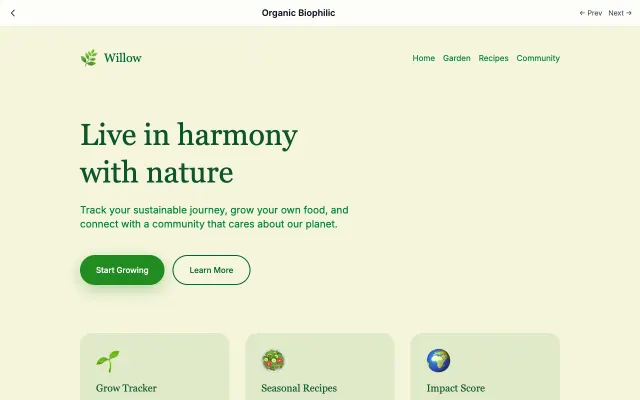
Organic Biophilic
Brings nature indoors through organic shapes, natural colors, and flowing elements. Creates a calming, sustainable aesthetic.
Nature & Organic
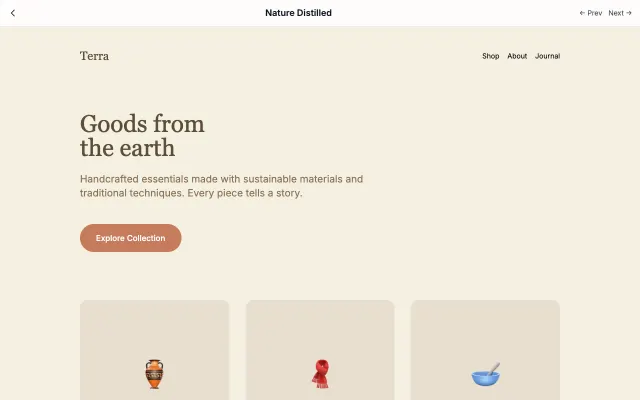
Nature Distilled
Distills nature into its essence with earthy colors, organic materials, and handmade warmth.
Nature & Organic
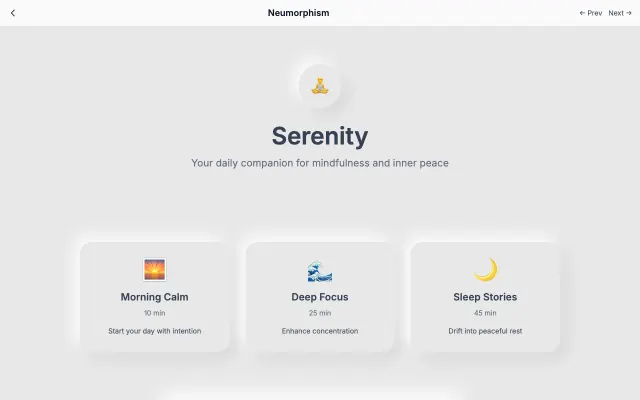
Neumorphism
A modern evolution of skeuomorphism that creates soft, extruded plastic-like interfaces. Uses subtle shadows and highlights to simulate depth while maintaining a minimal aesthetic.
Modern SaaS
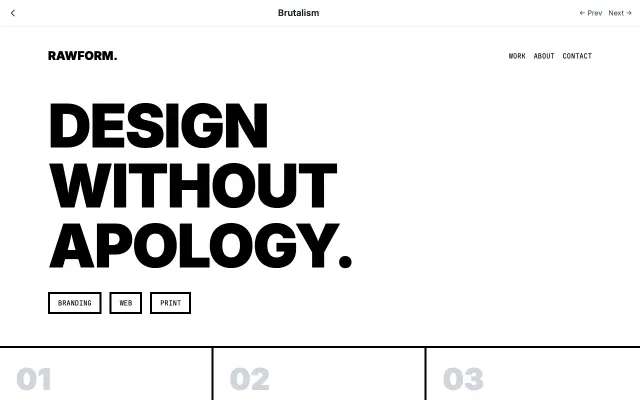
Brutalism
Inspired by Brutalist architecture, this style embraces raw, honest aesthetics. Features intentionally "ugly" design with default fonts, visible borders, and a rejection of conventional beauty.
Experimental & Artistic